
Featured Precision Winding Wires for High-Q Coils
Comprehensive Technical Guide: Self-Bonding Enameled Copper Wire for High‑Q Sensor Coil Fabrication
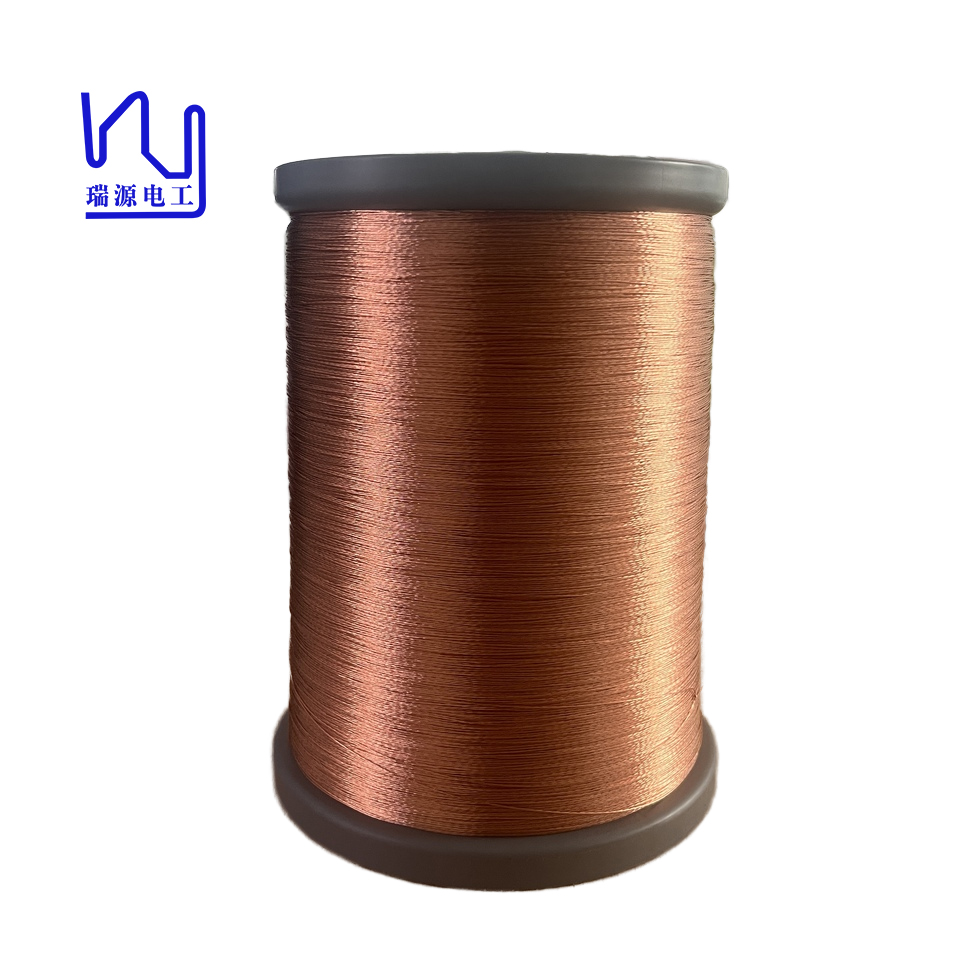
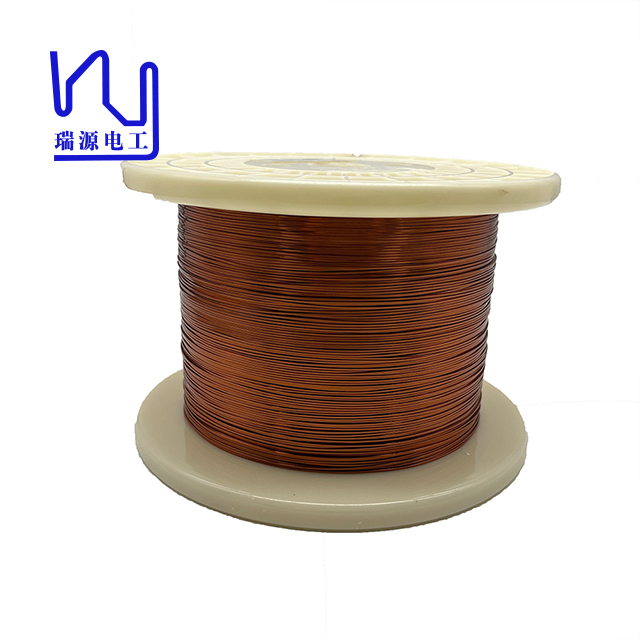
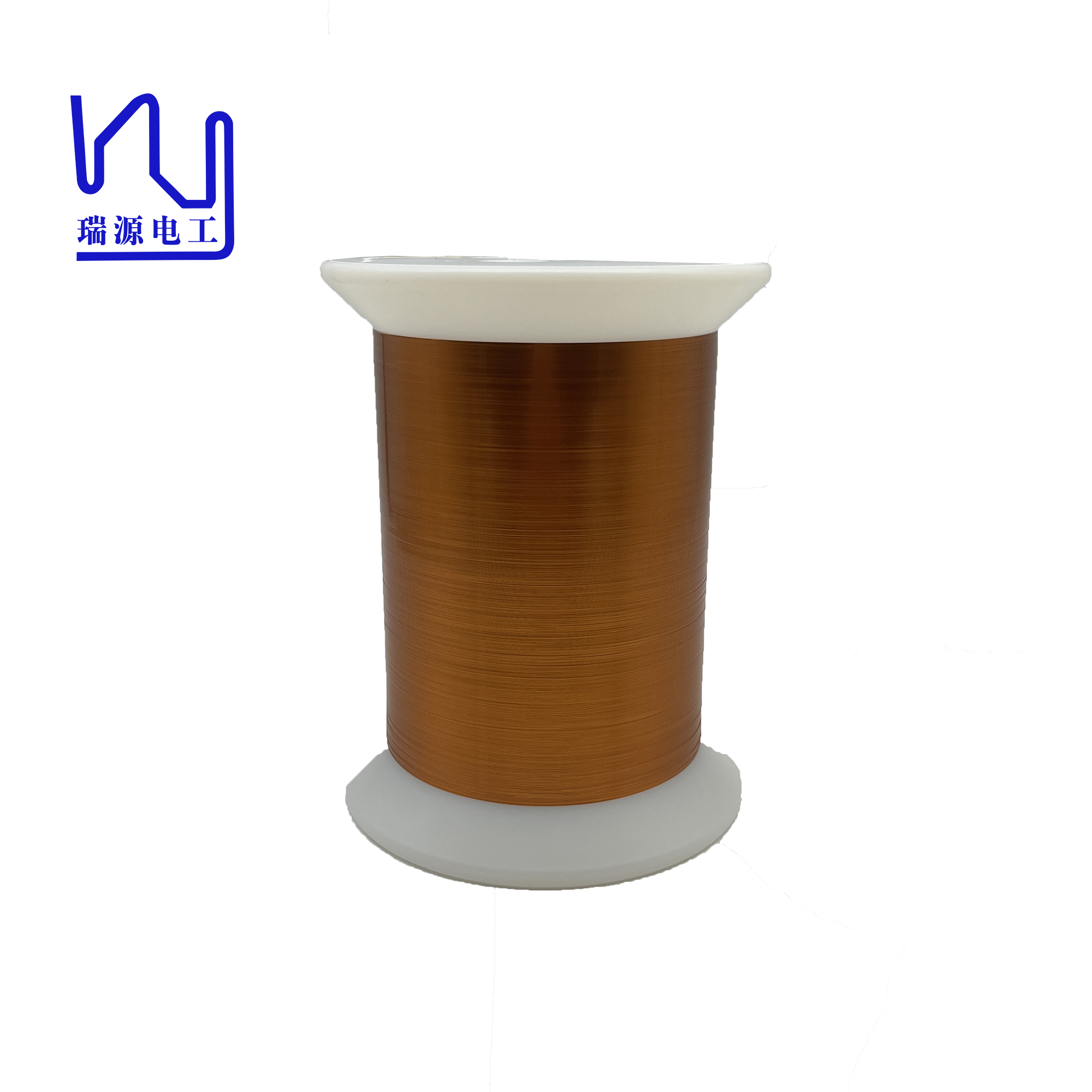
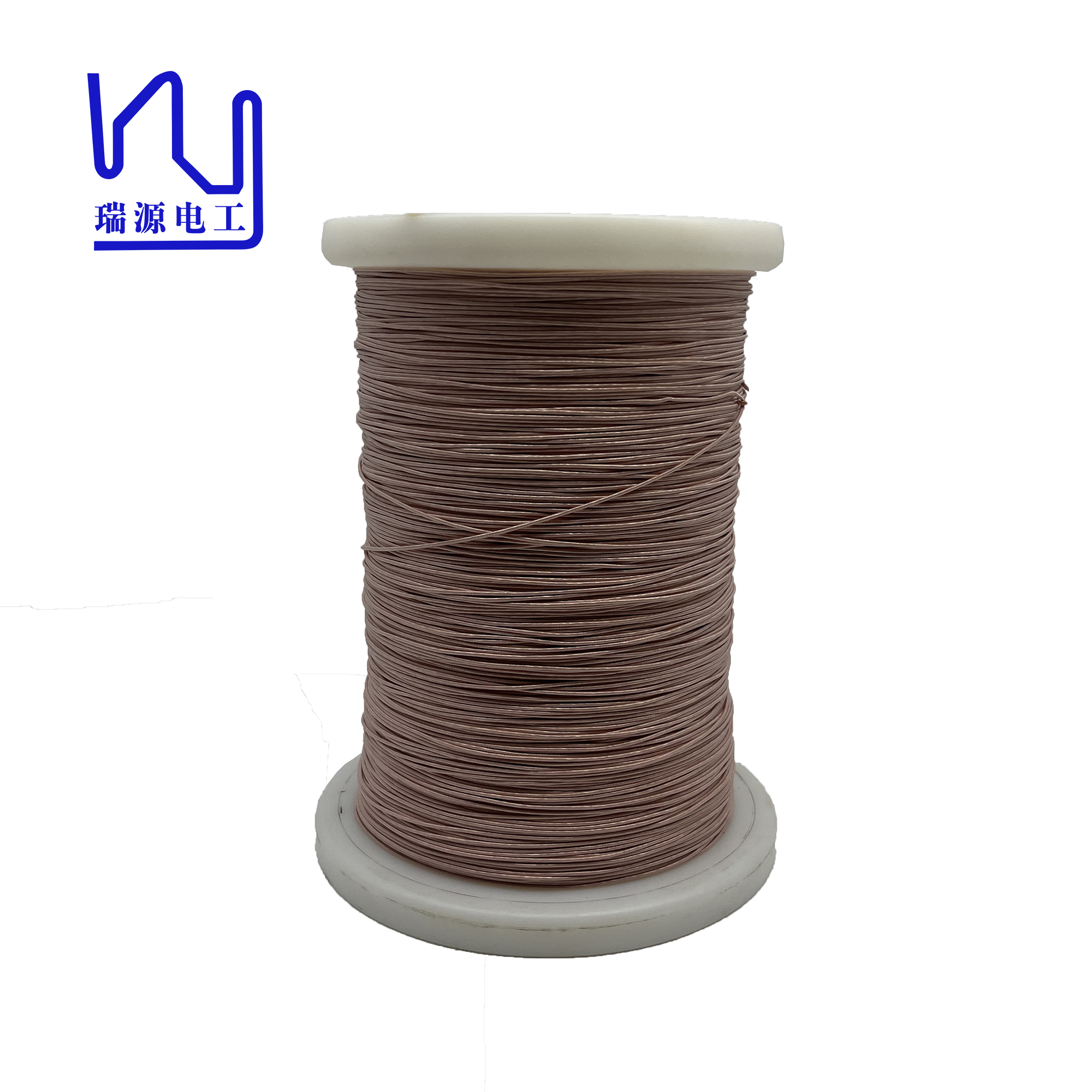
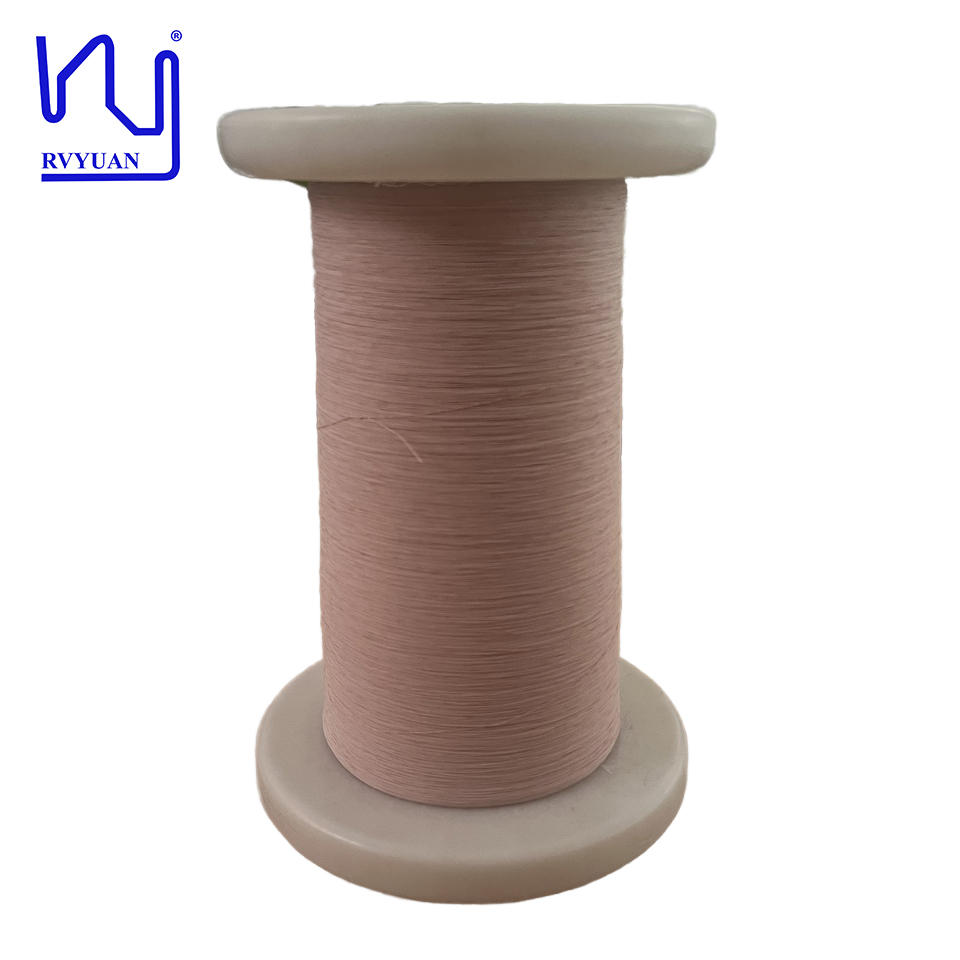
In the realm of advanced electromagnetic sensing, high-frequency signal processing, and precision instrumentation, achieving a high Quality Factor (Q-Factor) is the cornerstone of transducer efficiency and spatial resolution. Self-Bonding Enameled Copper Wire (also known as bondable magnet wire or self-adhesive enameled wire) has emerged as an indispensable material platform for engineers fabricating self-supporting, bobbinless high-Q sensor coils. By integrating a dual-layer coating system—comprising a primary dielectric insulation basecoat and a thermosetting or thermoplastic topcoat—this advanced conductor enables turn-to-turn mechanical bonding without the dielectric penalties associated with conventional varnishes or plastic bobbins.
Optimal Packing Factor & Bobbinless Structure
By activating the self-bonding enamel via thermal hot-air, resistance heating, or solvent application, individual turns fuse directly to adjacent turns. This eliminates bulky coil formers, maximizes copper fill factor ($k_p$), and minimizes active coil footprint while enhancing mechanical stability under severe vibration.
Minimized Parasitic Capacitance
High-Q resonant circuits demand exceptionally low distributed inter-turn capacitance ($C_d$). Precise control of self-bonding coat thickness and air-gap distribution ensures elevated self-resonant frequencies (SRF), preventing premature signal attenuation in sensor arrays.
1. Electrodynamics of High-Q Sensor Coil Design
The Quality Factor ($Q$) of an inductive sensor coil is mathematically defined as the ratio of its inductive reactance to its total equivalent series resistance (ESR) at a given operational frequency ($\omega$):
Where L represents net inductance, and RAC encompasses DC resistance along with high-frequency loss mechanisms, primarily skin effect, proximity effect, and dielectric loss factor of surrounding insulating media. Standard magnet wire coils potted with liquid impregnation resins often suffer from unpredictable resin void ratios, localized stress concentration, and high dielectric loss tangents ($\tan \delta$), which drastically degrade $Q$.
Using self-bonding enameled copper wire resolves these thermodynamic and electrodynamic bottlenecks:
- Controlled Dielectric Layering: Consistent layer thickness of modified Polyamide, Polybutyral, or Epoxy bonding layers guarantees predictable inter-turn dielectric constants ($\varepsilon_r \approx 3.0 - 3.5$).
- Elimination of Impregnation Voids: Uniform thermal bonding creates a compact, monolithic coil matrix, eliminating air pockets that trigger micro-corona discharges or moisture absorption.
- Reduction of AC Resistance ($R_{AC}$): Precise, repeatable spatial turn alignment mitigates non-uniform proximity loss patterns across multi-layer orthocyclic windings.
2. Self-Bonding Coating Architectures & Activation Methods
Fabricating ultra-high stability coils requires tailored insulation chemistry matching operational temperatures and assembly automation capabilities. A typical self-bonding magnet wire features a two-tier layer structure:
Base Layer Insulation
Provides high breakdown voltage and thermal endurance. Common basecoat chemistries include:
- Polyurethane (UEW): Solderable at 360°C–400°C, Class 155–180. Ideal for fine-wire sensors.
- Polyesterimide (EIW): High thermal stability (Class 180–200).
- Polyimide (AIW): Extreme thermal rating (Class 220+), exceptional chemical resistance.
Bondcoat Overcoat
Applied over the base coat, responding to thermal or chemical stimuli:
- Polyvinylbutyral (PVB): Fast thermoplastic bonding at 120°C–140°C. Popular for acoustic coils.
- Polyamide (Nylon Bond): Tough, flexible adhesive activated at 170°C–200°C.
- Epoxy Resin: Thermosetting layer offering chemical resistance and structural rigidity up to Class 200.
Bonding Activation
Flexible manufacturing methods for coil integration:
- Hot Air Bonding: In-line air jet heats wire during winding.
- Oven Baking: Post-winding batch curing for uniform consolidation.
- Resistance Heating: Electrical impulse applied through coil terminals.
- Solvent Bonding: Alcohol/MEK vapor activation during winding.
3. Industrial Applications & Deep Scenario Analysis
High-Q sensor coils fabricated with self-bonding enameled copper wire play critical roles across diverse high-tech verticals:
A. Automotive Wireless Power Transfer (WPT) & Position Sensors
Modern Electric Vehicles (EVs) utilize inductive wireless charging pads and high-precision inductive position sensors (e.g., rotor position sensing for traction motors). Self-bonding Litz wires or rectangular self-bonding wires withstand high thermal cycles, suppress skin-effect losses at 85 kHz–150 kHz, and prevent mechanical coil deformation caused by vehicular shock and vibration.
B. Biomedical NMR Probes & Implantable Telemetry Coils
Nuclear Magnetic Resonance (NMR) spectroscopy micro-coils and bio-implantable wireless power coils demand maximum magnetic field sensitivity ($B_1/i$) and near-zero dissipation factor. Bobbinless self-bonding micro-coils (wire diameters down to 0.02mm / 46 AWG) maximize filling factor inside restricted diagnostic envelopes.
C. Industrial Non-Destructive Testing (NDT) & Eddy Current Arrays
Eddy current NDT probes inspect aerospace turbine blades, oil pipelines, and semiconductor wafers for micro-cracks. High Q-factors allow high signal-to-noise ratios (SNR), enabling detection of sub-millimeter defects under challenging high-temperature industrial environments.
D. Aerospace Resonators & Electromagnetic Gyroscopes
In inertial navigation systems, fluxgate magnetometers and inductive rate gyros require zero drift over operational lifespans. Thermo-bonded epoxy-coated coils remain dimensionally stable across wide temperature swings (-55°C to +200°C), eliminating sensor drift caused by winding shift.
Company Profile: Tianjin Ruiyuan Electric Material Co., Ltd.
Tianjin Ruiyuan Electric Material Co,. Ltd. (Ruiyuan) was established in 2002. In the past 20 years, we have been thinking one question 'How to Satisfy Customer' that drives us to expand product lines from fine enameled copper wire to litz wire, USTC, rectangular enameled copper wire, triple insulated wire, and guitar pickup wire—spanning 6 main types with over 20 kinds of magnet wire. Here you will enjoy One Stop Purchase Service with cost-effective pricing, where quality is the last thing you need to concern. We wish to help you reduce your costs, save your time, and establish long-term Win-Win cooperation.
What we have been doing in 20 years is pursuing our operation philosophy 'Customer Oriented, Innovation brings more Value'. That is not a slogan, but a part of our DNA. Unlike ordinary magnet wire providers who only supply specified size ranges, we are a solution provider. That requires us to be more professional on wires, insulation materials, and your specific high-Q coil applications.
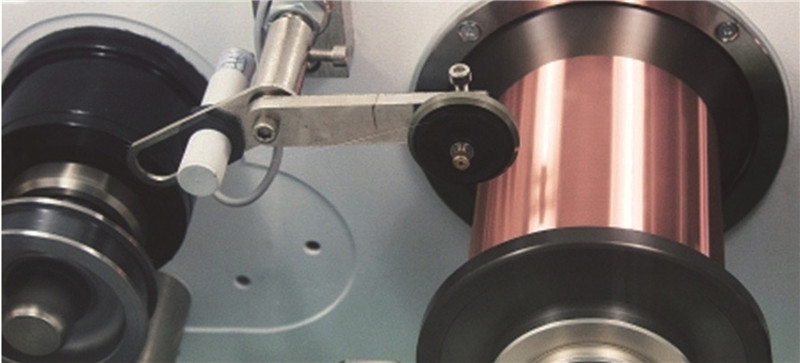
Engineering Case Study: Tailored Litz Wire for Automotive Wireless Sensing
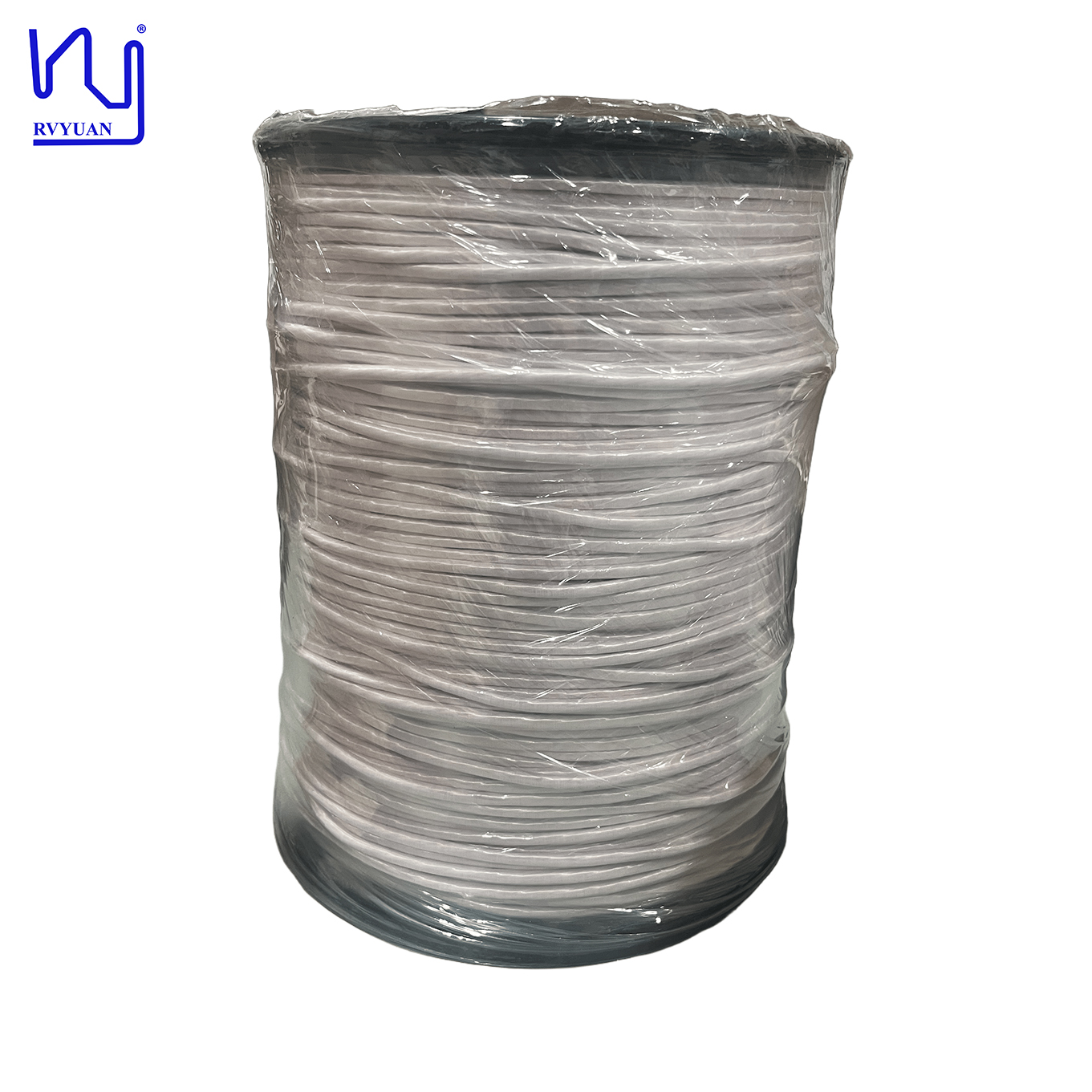
One of our European customers required a high-frequency Litz wire for automotive wireless charging and sensing systems. The application demanded excellent solvent resistance and a strict flame retardancy rating following UL94-V0. Existing off-the-shelf insulations failed to meet these standards, and alternative market solutions carried cost-prohibitive pricing.
After extensive technical discussions, Ruiyuan's R&D team proposed an innovative solution: extrusion of ETFE insulation over the surface of the high-frequency Litz wire. Following one year of rigorous validation, this custom wire passed all mechanical, flame, and solvent resistance tests. The project transitioned into mass production, drastically cutting client component costs.
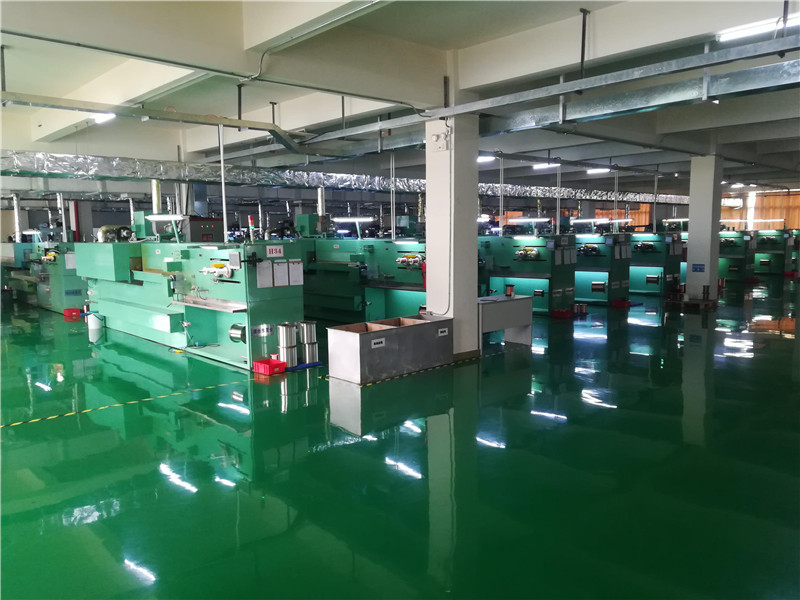
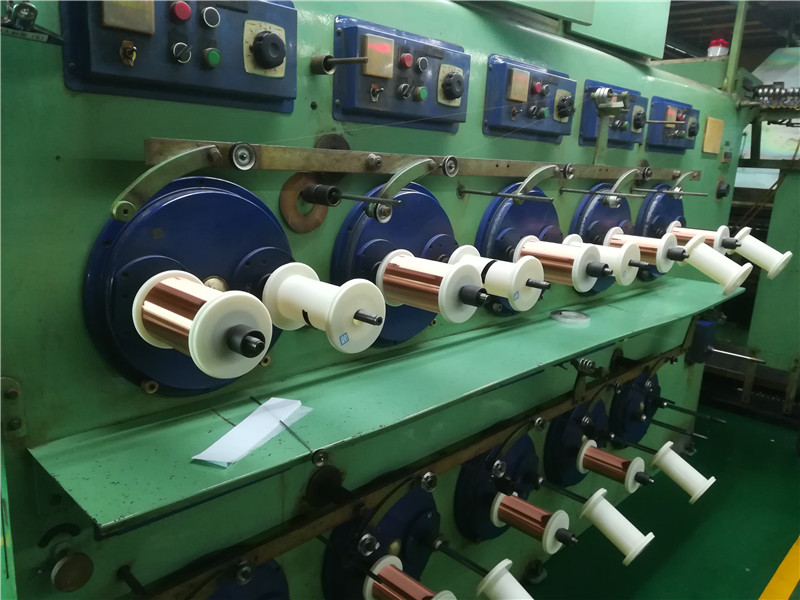
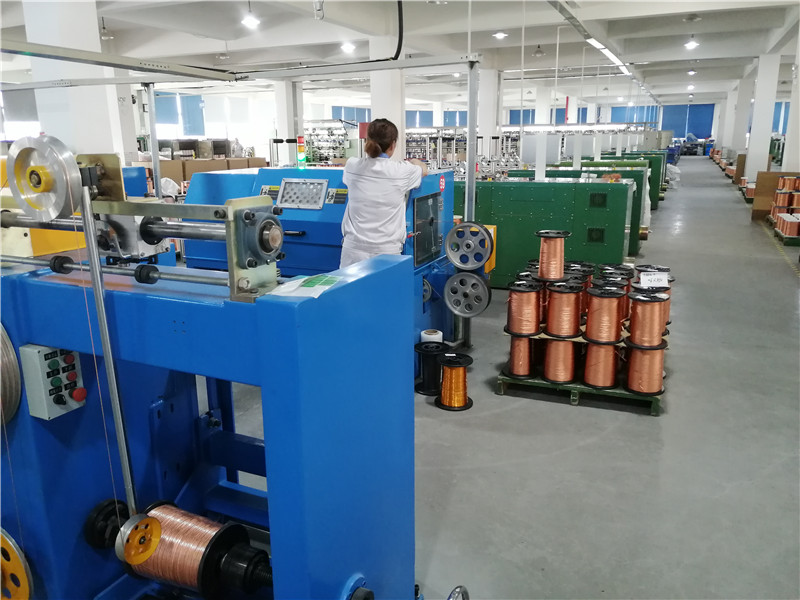
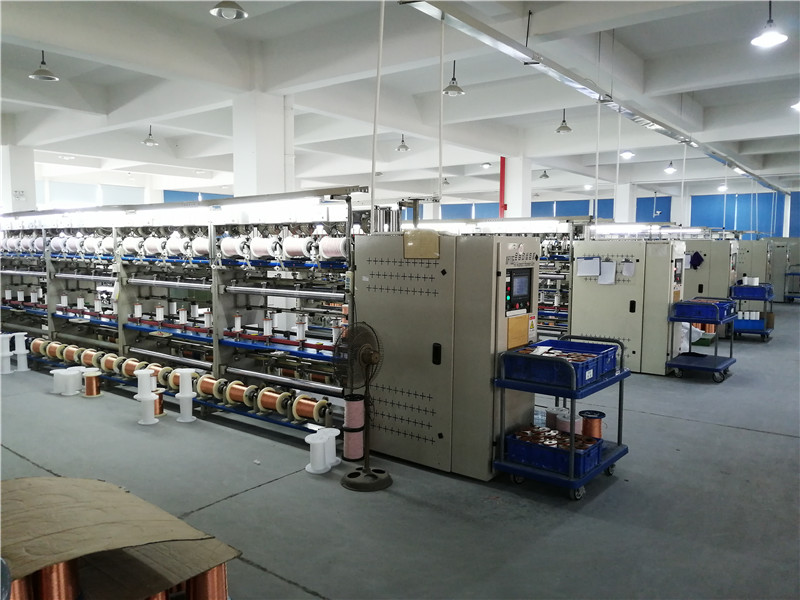
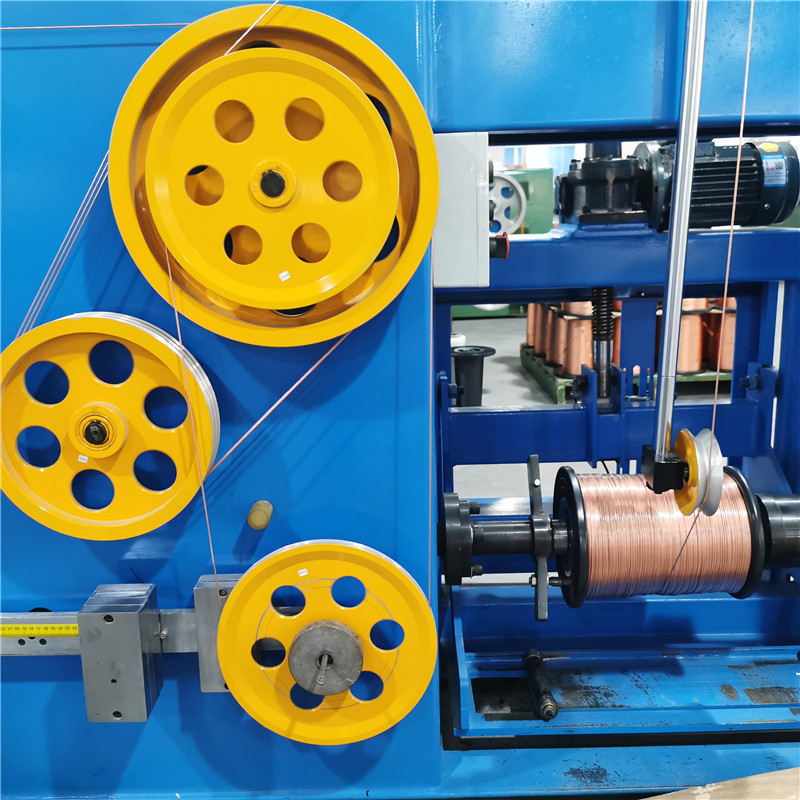
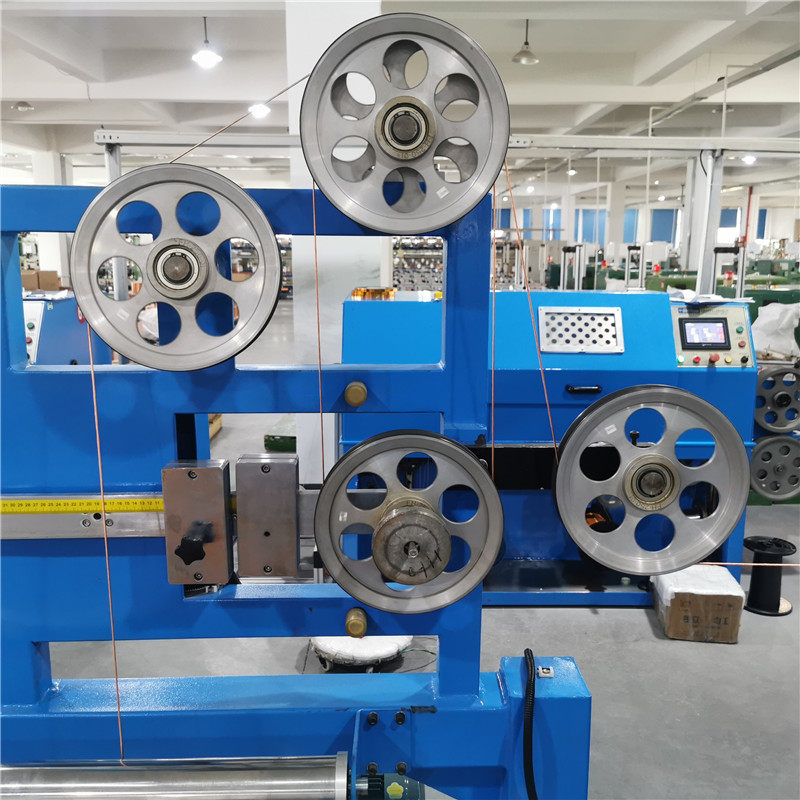
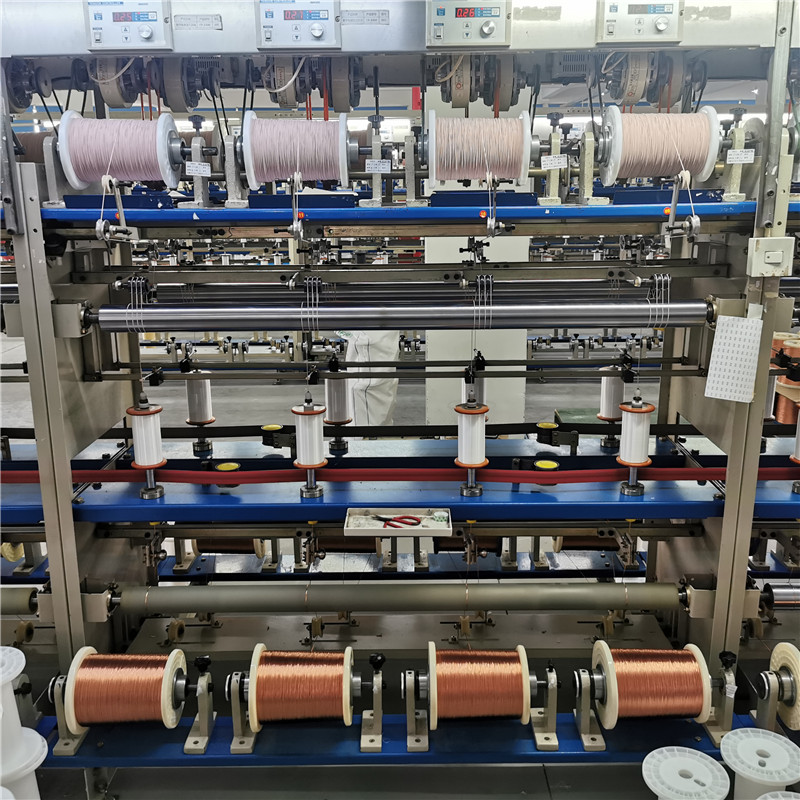
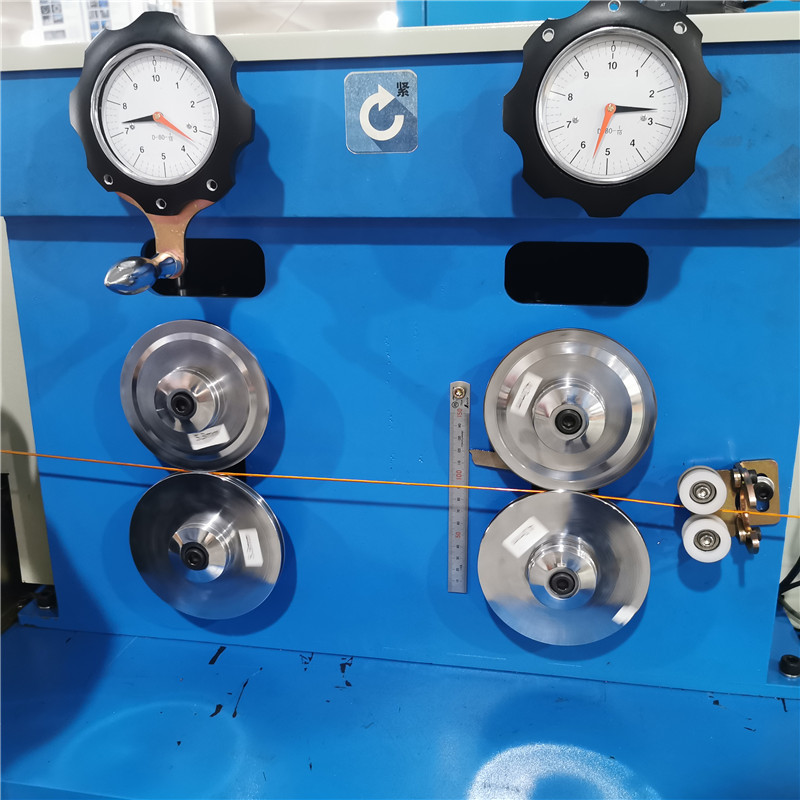
Manufacturing Infrastructure & Operations
Proven Performance & Global Metrics
SUCH CASES ARE PREVALENT IN OUR COMPANY, DEMONSTRATING OUR ADVANTAGES IN TECHNOLOGY AND SERVICE. THESE NUMBERS HIGHLIGHT OUR COMMITMENT TO EXCELLENCE:
Average Delivery Lead Time
European & NA Client Base (PTR, ELSIT, STS, etc.)
Client Repurchase Rate
Satisfaction Rate (Class A German Verified Supplier)
Exquisite, Quality, All For The Customer!
Ruiyuan attracts outstanding technical and management talents. Our founders have built a elite industry team with long-term vision—our guarantee to provide high-reliability magnet wires for sensor coil fabricators worldwide.
We sincerely welcome engineering teams and business partners from all over the world to discuss custom self-bonding wire specifications for high-Q coil projects.
Explore Enterprise Features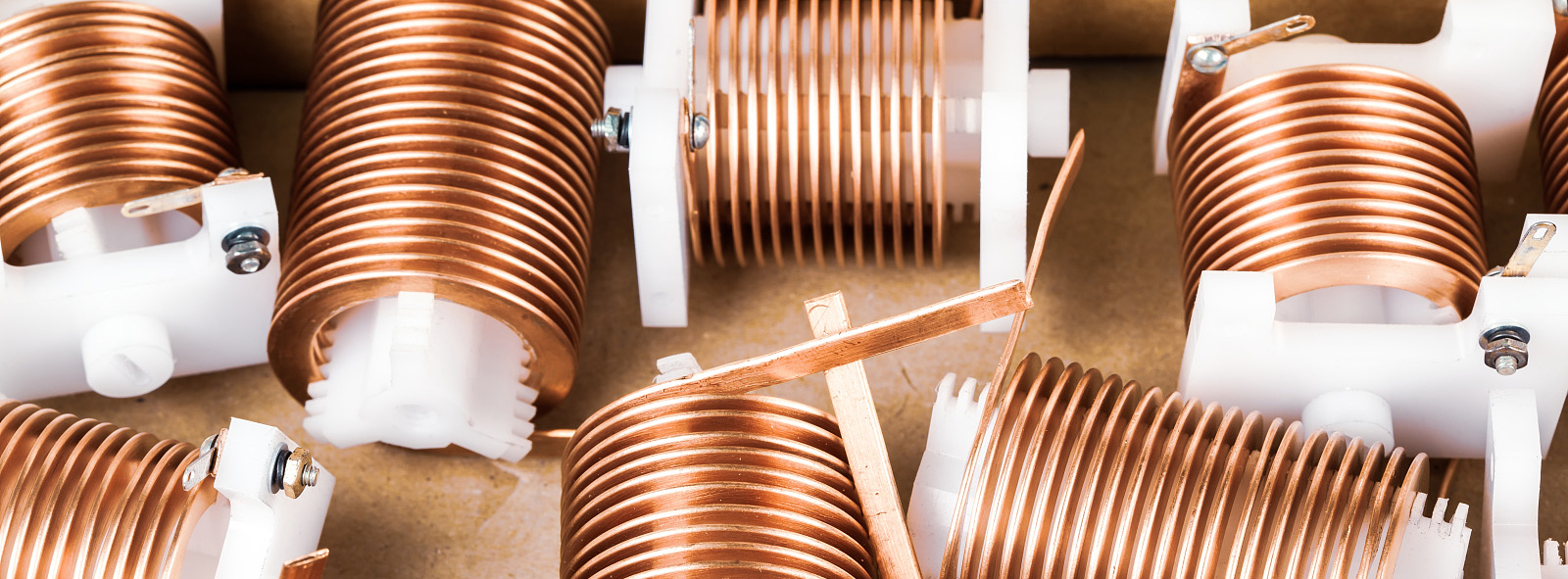
Frequently Asked Questions (FAQ)
Find detailed answers regarding sample orders, technical customization, trade terms, and wire selection for sensor coils.
Related Magnet Wire & Litz Solutions for Sensor Engineering


-

E-mail
-

Phone
-

Whatsapp
whatsapp


