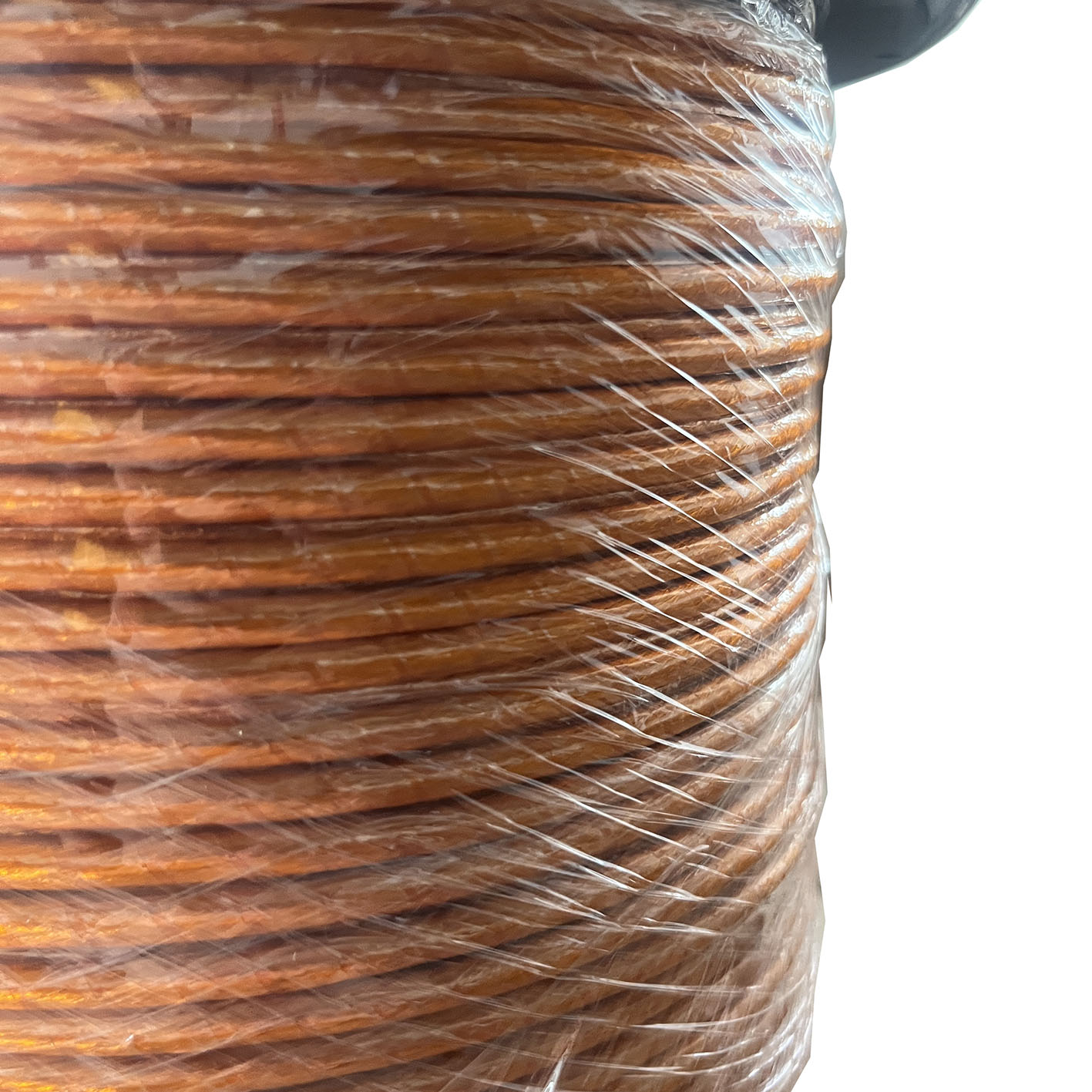
Industrial Status & Market Dynamics of Vintage-Style Magnet Wire in High-Q Sensor Coil Fabrication
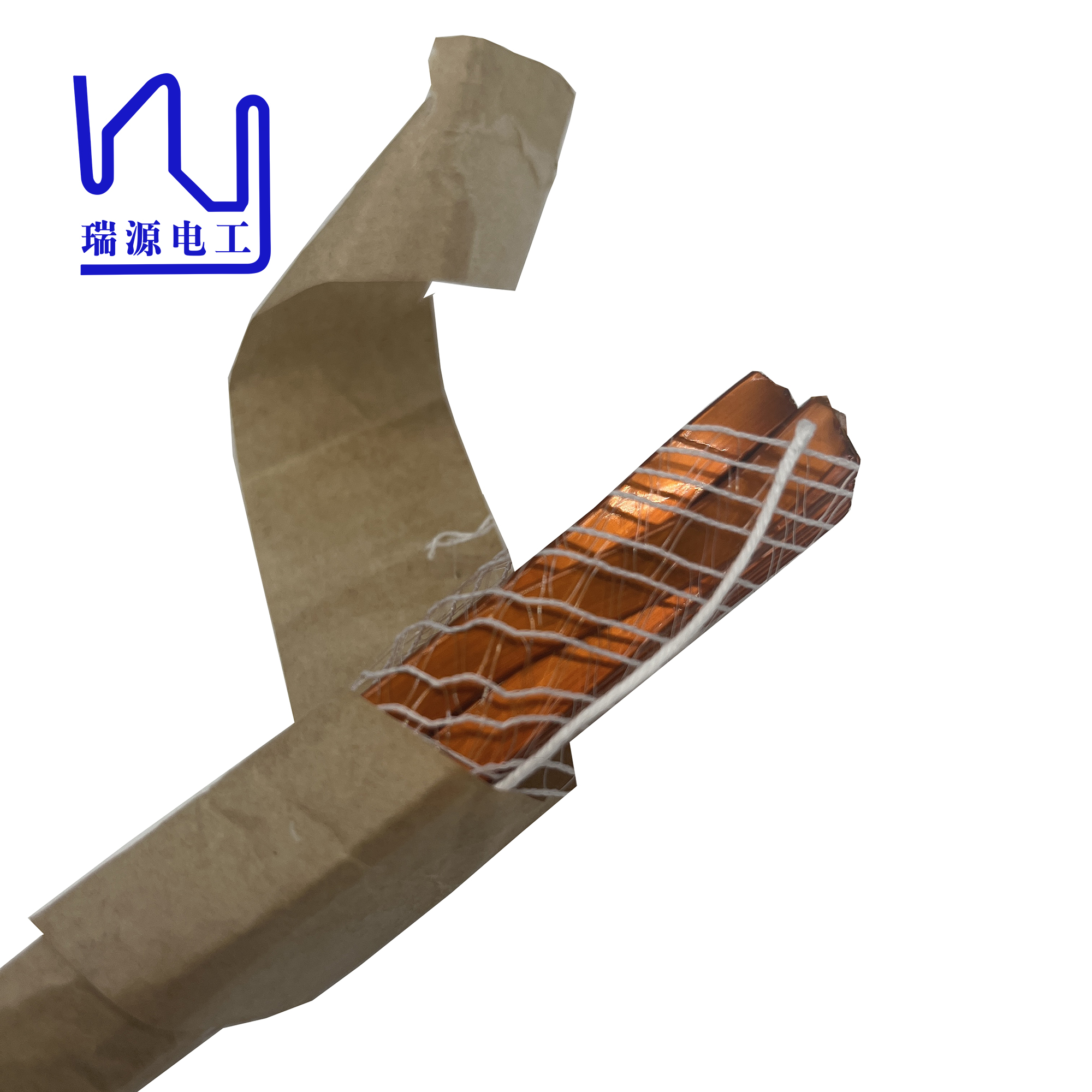
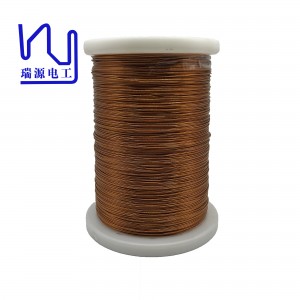
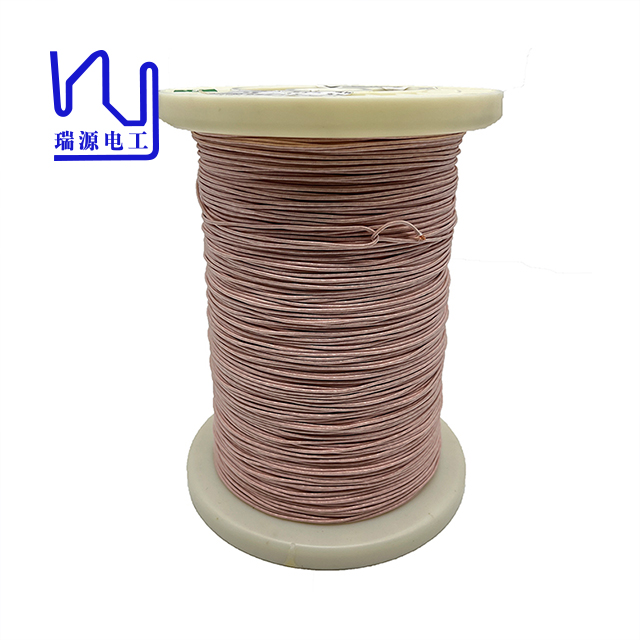
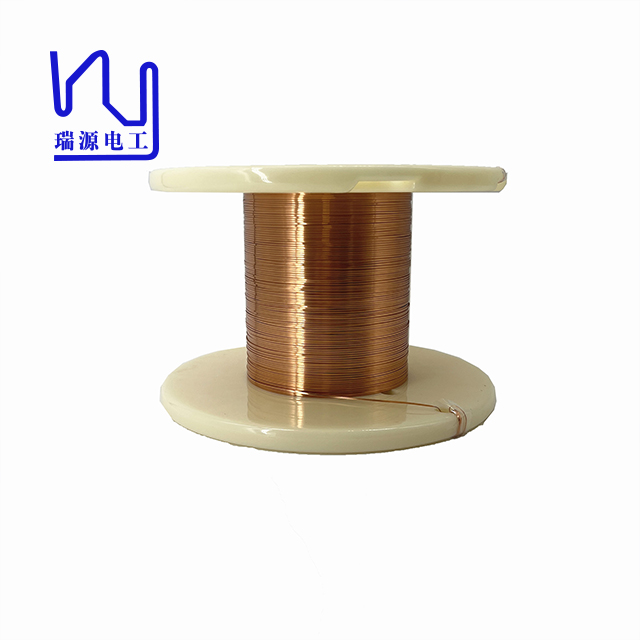
In contemporary precision electronics, the term "Vintage-Style Magnet Wire" refers not merely to an aesthetic throwback, but to an advanced synthesis of classic electromagnetic coil design principles and modern ultra-pure material processing. As electromagnetic sensing technologies advance into quantum magnetometry, nuclear magnetic resonance (NMR) spectroscopy, high-frequency biomedical telemetry, and aerospace navigation, engineers are rediscovering that modern dense synthetic polymers often introduce unwanted parasitic capacitance and dielectric loss tangents. Vintage insulation architectures—most notably silk-wrapped enameled copper (USTC), nylon-served Litz wire, heavy Formvar, and plain enamel—are experiencing an unprecedented industrial resurgence.
The modern market for high-Q sensor coil fabrication is expanding rapidly. Driven by the miniaturization of high-frequency sensors, non-destructive testing (NDT) eddy-current probes, and wireless power transfer (WPT) resonant coils, the global demand for specialty high-Q magnet wire is witnessing a compound annual growth rate (CAGR) exceeding 8.4%. Industrial manufacturers, scientific research labs, and boutique audio instrument builders are actively replacing standard single-strand enamels with custom multi-strand served Litz conductors to achieve extreme Quality Factors ($Q = \frac{\omega L}{R}$) impossible with conventional wire designs.
Core Technical Insight: The Quality Factor ($Q$) of an inductive sensor determines its selectivity, signal-to-noise ratio (SNR), and sensitivity. Vintage-style silk-covered Litz wires reduce proximity losses while physically separating adjacent turns with organic low-permittivity silk fibers, dropping inter-turn capacitance ($C_p$) by up to 45% compared to tight extrusion-coated magnet wires.
Deep-Dive Physics: Quality Factor ($Q$), Dielectric Losses, and Wire Architecture
To understand why vintage-style magnet wires remain supreme in high-Q sensor coil fabrication, one must analyze the physical loss mechanisms operating within high-frequency AC electromagnetic fields:
1. Mitigation of Skin Effect and Proximity Effect
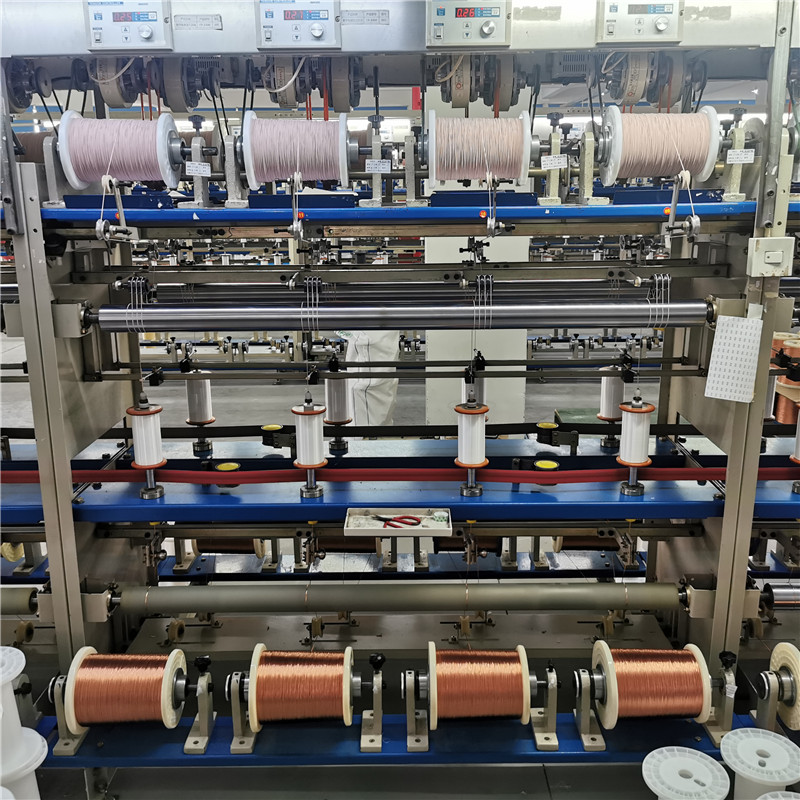
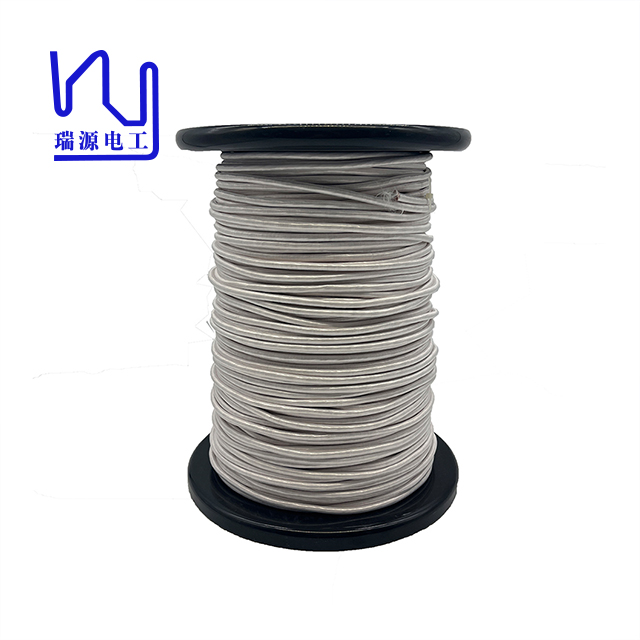
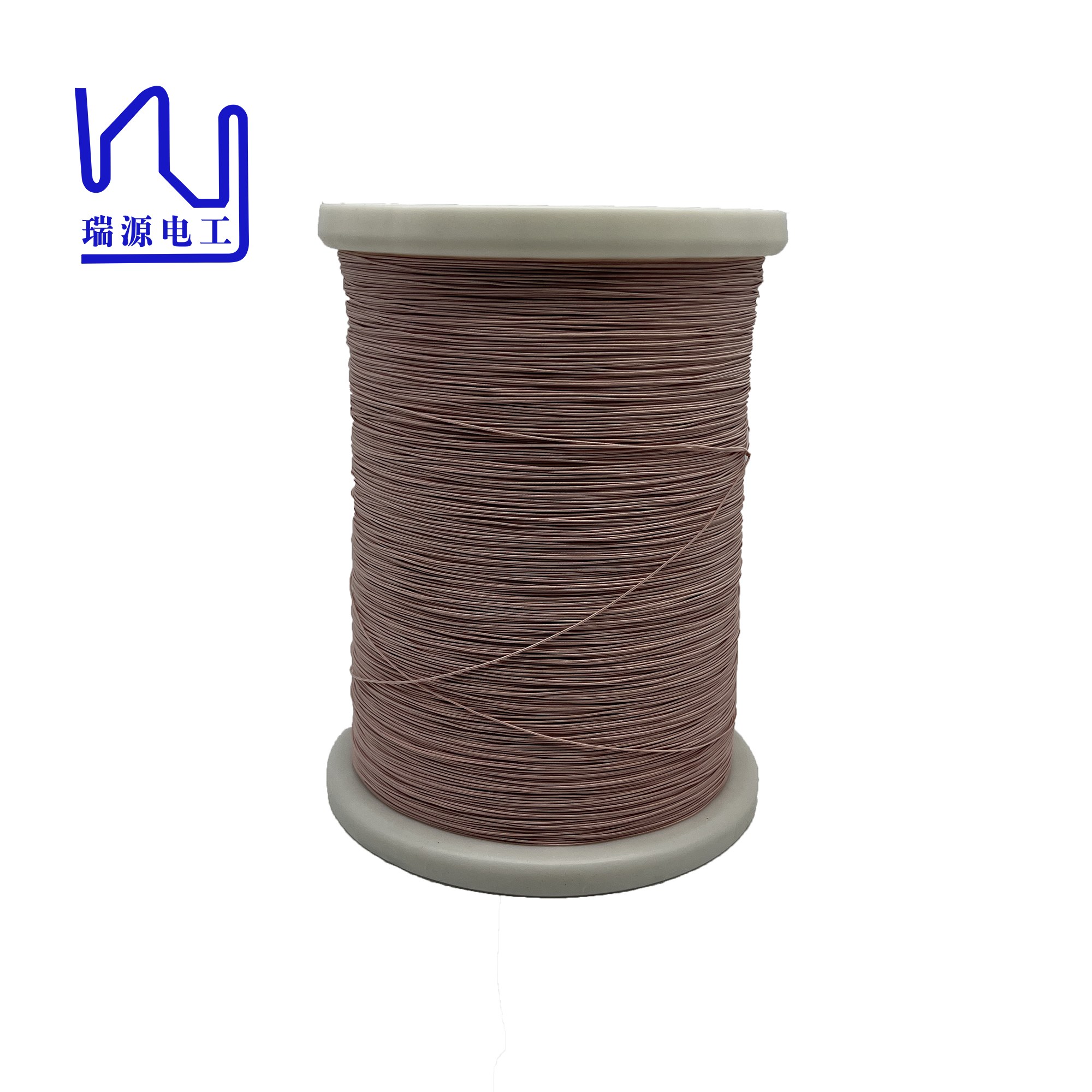
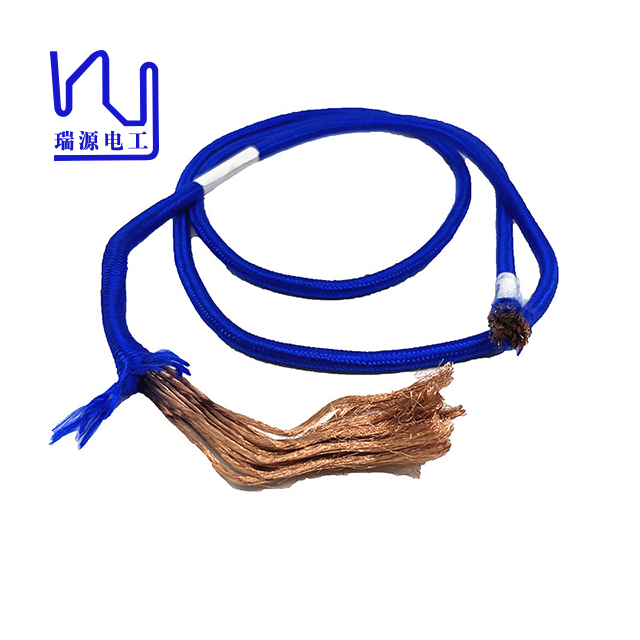
At elevated frequencies (ranging from tens of kilohertz to several megahertz), alternating current tends to flow primarily along the outer skin of a solid copper conductor. This drastically reduces the effective cross-sectional area, sharply increasing AC resistance ($R_{ac}$). Simultaneously, neighboring turns inside a multi-layer sensor coil induce eddy currents in one another—a phenomenon known as the proximity effect. By utilizing vintage-style micro-stranded Litz wire (e.g., configurations like 0.08mm x 210 strands or 0.05mm x 225 strands), individual insulated strands are woven in intricate geometrical patterns. This ensures equal magnetic coupling across all strands, rendering the AC resistance almost equal to the DC resistance.
2. Reduction of Parasitic Inter-Turn Capacitance ($C_p$)
A major bottleneck in high-frequency sensor coils is self-resonance caused by distributed inter-turn capacitance. Conventional enameled magnet wires have thin, high-permittivity polymer films (such as polyurethane or polyesterimide) placed in direct physical contact. Vintage USTC (User-Specified Silk-Taped/Covered) wires wind natural silk or rayon threads around the conductor bundle. Natural silk exhibits a exceptionally low dielectric constant ($\varepsilon_r \approx 2.5 - 3.1$) and low dielectric dissipation factor ($\tan \delta$). The physical space created by the textile braid acts as an air-dielectric buffer, drastically suppressing inter-turn capacitive coupling and elevating the sensor coil's self-resonant frequency (SRF).
Comprehensive Application Profile: Where Vintage-Style Magnet Wire Dominates
The implementation of vintage-style magnet wire for high-Q sensor coil fabrication spans across critical high-tech and specialized industrial sectors:
- NMR Spectroscopy & MRI Probe Coils: Nuclear Magnetic Resonance requires ultra-narrow resonance bandwidths and extremely high signal purity. Silk-wrapped micro-Litz wires minimize thermal noise and maximize signal-to-noise ratio during micro-Tesla magnetic field detection.
- Inductive Metal Detection & Geophysics: Deep-ground pulse-induction sensors and mine detection coils rely on vintage-style Litz wire to prevent pulse decay distortion, allowing detection of minuscule eddy currents in metallic targets buried deep underground.
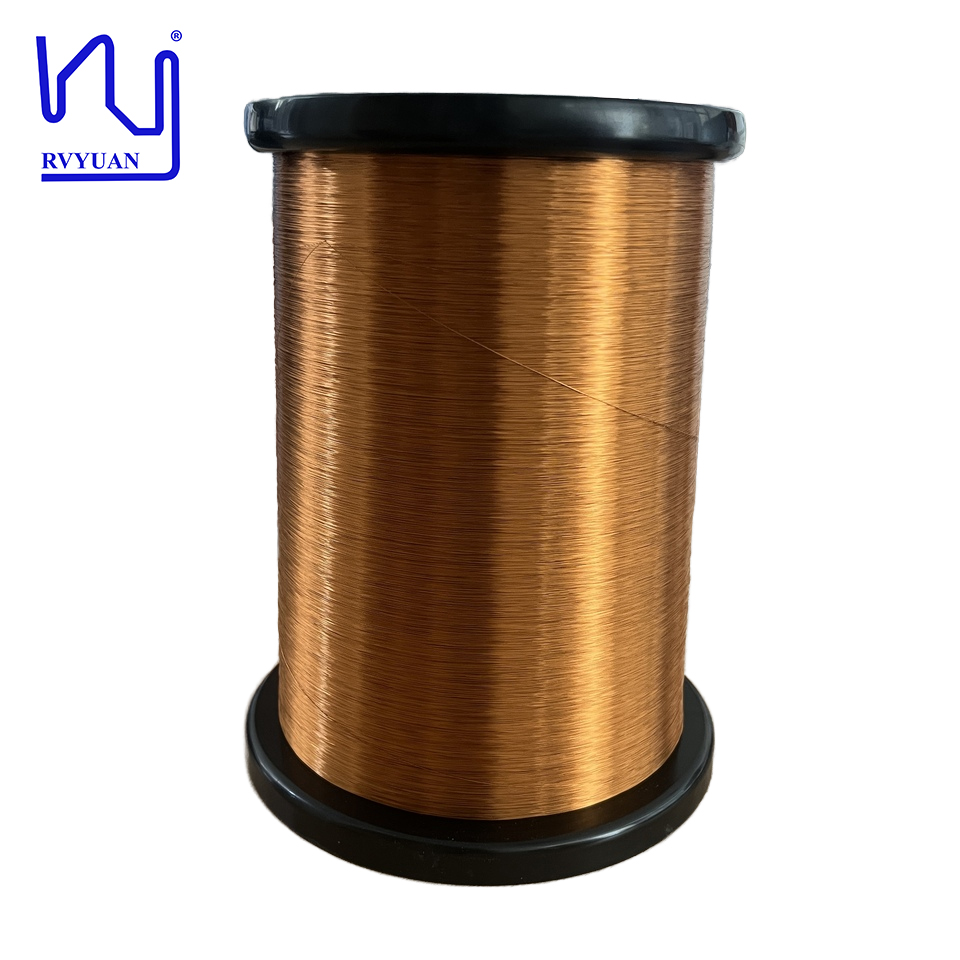
- Acoustic Transducers & Vintage Pickup Engineering: In premium electroacoustic transducers, dynamic ribbon microphone transformers, and musical instrument sensors (such as classic guitar pickups wrapped in 42 AWG Plain Enamel or Heavy Formvar), vintage magnet wire delivers the precise inductance, capacitance, and complex impedance curves required for legendary tonal fidelity.
- Aerospace & Defense Magnetometers: Fluxgate magnetometers, VLF antenna coils, and guidance system attitude sensors require temperature-stable inductors. Thermally stable silk-covered enameled wire reduces thermal inductance drift dramatically.
- Automotive Wireless Charging (EV WPT): High-power resonant induction pads operating under Qi or SAE J2954 standards demand high Q-factors under heavy thermal stress. Modified vintage Litz wires with high-temperature silk or ETFE outer jackets optimize power transfer efficiency while meeting stringent flame safety standards.
Future Development Trends & Material Innovations
As the industry moves forward, the fusion of vintage conductor geometry with cutting-edge materials science is giving rise to next-generation magnet wires:
1. Ultra-Pure Conductors (6N OCC Copper & Silver Coating): Modern high-Q wire manufacturers are combining vintage silk serving with Ohno Continuous Cast (OCC) 99.9999% pure copper and silver-plated conductors. Eliminating grain boundaries reduces microscopic resistance hotspots and further boosts coil Q-factor.
2. Hybrid Insulation Systems: Combining an inner coat of high-temperature solderable polyurethane (180°C class) with an outer wrap of natural silk or flame-retardant synthetic fibers (ETFE, Nomex) yields magnet wires that assemble easily, withstand elevated operating temperatures, and preserve low dielectric loss characteristics.