
In view of the current market demand, the technical department of Tianjin Ruiyuan Electric Materials Co., Ltd. recently carried out a research and analysis on the characteristics and applications of three extruded litz wire products :ETFE, FEP, PFA fluoroplastic insulation.
Using 0.10mm single wire as an example, a number of strands of enamelled copper wire are twisted together and then extruded with fluoroplastic insulation to form triple insulated litz wire. These wires have the flexibility of the conductor and the weather resistance of the insulation, and are widely used in high-reliability fields such as aerospace, medical equipment, high-frequency transformers, etc. ETFE, FEP, PFA three kinds of fluoroplastic insulating materials, their performance is different, selection needs to be targeted to specific working conditions, comprehensive consideration.
ETFE (Ethylene-Tetrafluoroethylene Copolymer):
Its most prominent advantage lies in mechanical performance—tensile strength up to 6,500 PSI, far exceeding FEP and PFA; excellent abrasion resistance, with over 100 cycles of scraping at 150°C; and superior radiation resistance among fluoroplastics. Its long-term operating temperature ranges from -90°C to 150°C, with a dielectric constant of approximately 2.6. The drawback is its relatively lower temperature resistance and the potential for micro-fluoride release in sealed environments, which can cause corrosion on exposed metal surfaces. ETFE is suitable for high mechanical strength and radiation-resistant wiring in aircraft cabins, nuclear power plants, and similar scenarios.
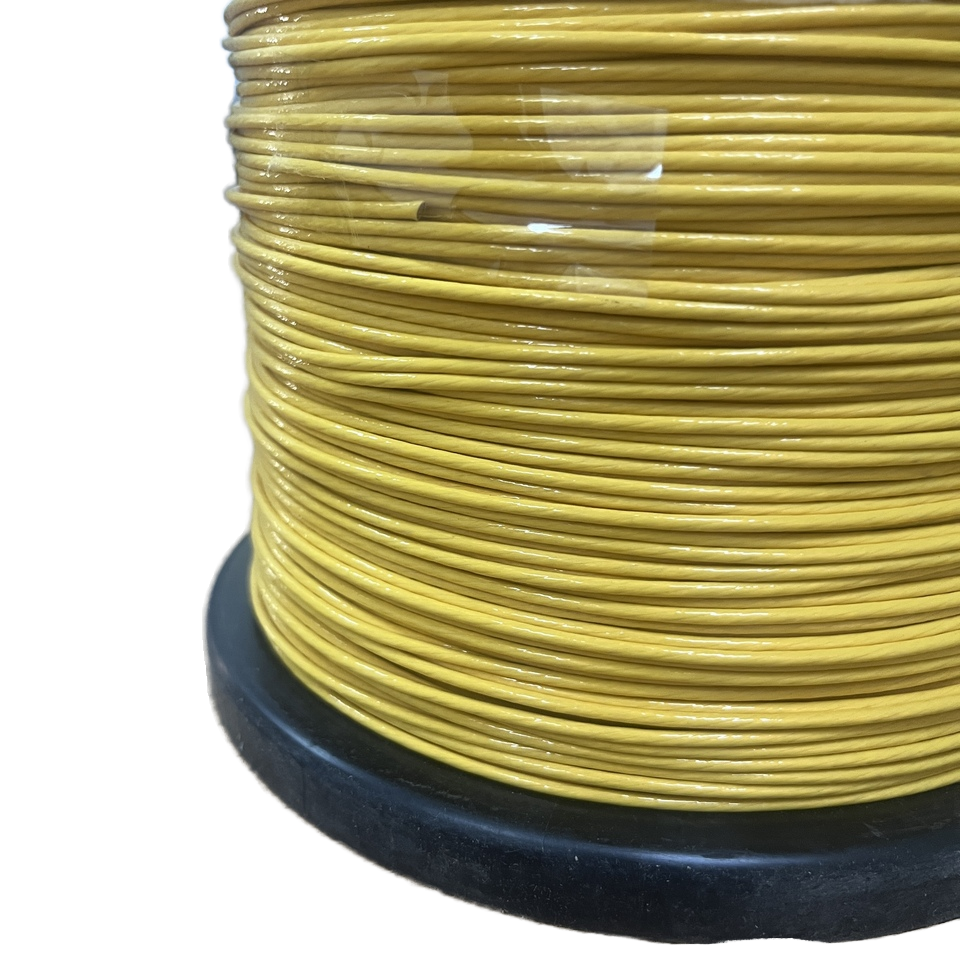
FEP (Fluorinated Ethylene Propylene):
Offers excellent cost-performance ratio and can be melt-extruded for mass production. Long-term operating temperature from -90°C to 200°C, with a low dielectric constant of 2.1 that remains stable across all frequencies; outstanding chemical stability, resistant to oil and chemicals, with an oxygen index greater than 95, making it nearly non-flammable. Its downside is weaker mechanical strength (tensile strength around 3,500 PSI) and susceptibility to creep and wear at high temperatures. FEP is suitable for cost-sensitive industrial high-temperature wiring and new energy vehicle harnesses.
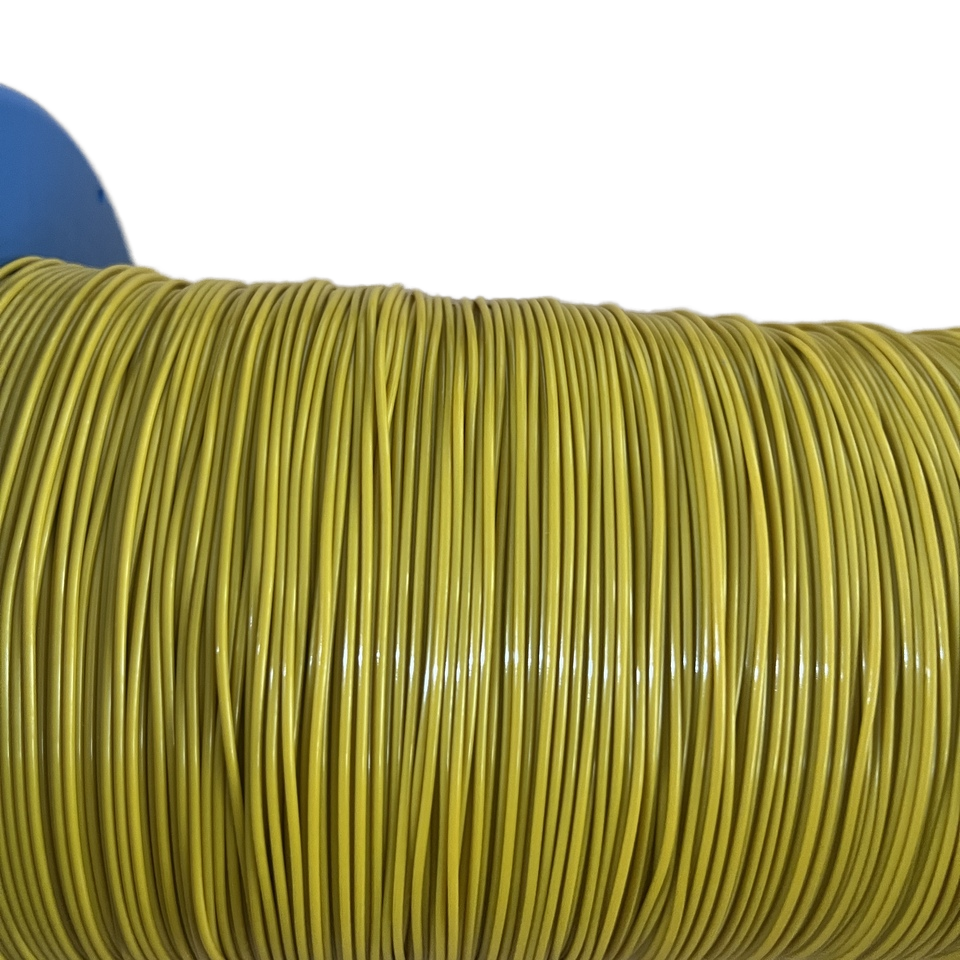
PFA (Perfluoroalkoxy Polymer):
Has the most balanced and comprehensive performance. Long-term operating temperature ranges from -200°C to 260°C, with a dielectric constant of 2.1 and volume resistivity >10¹⁸ Ω·cm; nearly resistant to all known chemicals, with excellent aging and weather resistance; superior partial discharge resistance compared to PEEK and PAI. The disadvantages include poor adhesion to copper conductors, requiring special processing, and the highest cost among the three. PFA is ideal for extreme high-temperature and corrosive environments such as aircraft engine compartments, semiconductor cleanrooms, and geothermal drilling.
Selection Recommendations:
Choose ETFE for high mechanical strength and radiation resistance; FEP for balanced performance and cost; PFA for extreme high-temperature and corrosive conditions.
Tianjin Ruiyuan Electric Materials Co., Ltd. is one of the few Chinese companies capable of producing all three types of these fluoroplastic insulated litz wires. Trust Ruiyuan—definitely the right choice!
Post time: Sep-09-2026


